
In 2005, mobile phones were like the wild west of technology, gritty, exciting, and full of untamed potential. Remember the days when your pocket held a brick that could make calls and maybe, just maybe, play a tune? Fast forward a couple of decades, and it feels like those clunky devices were made of stone compared to today’s sleek smartphones. Yet, each of those funky flip phones and monochrome screens paved the way for what we take for granted now. Let’s take a stroll down memory lane and uncover the gems of 2005 that rocked the mobile world.
Overview of Mobile Phones in 2005
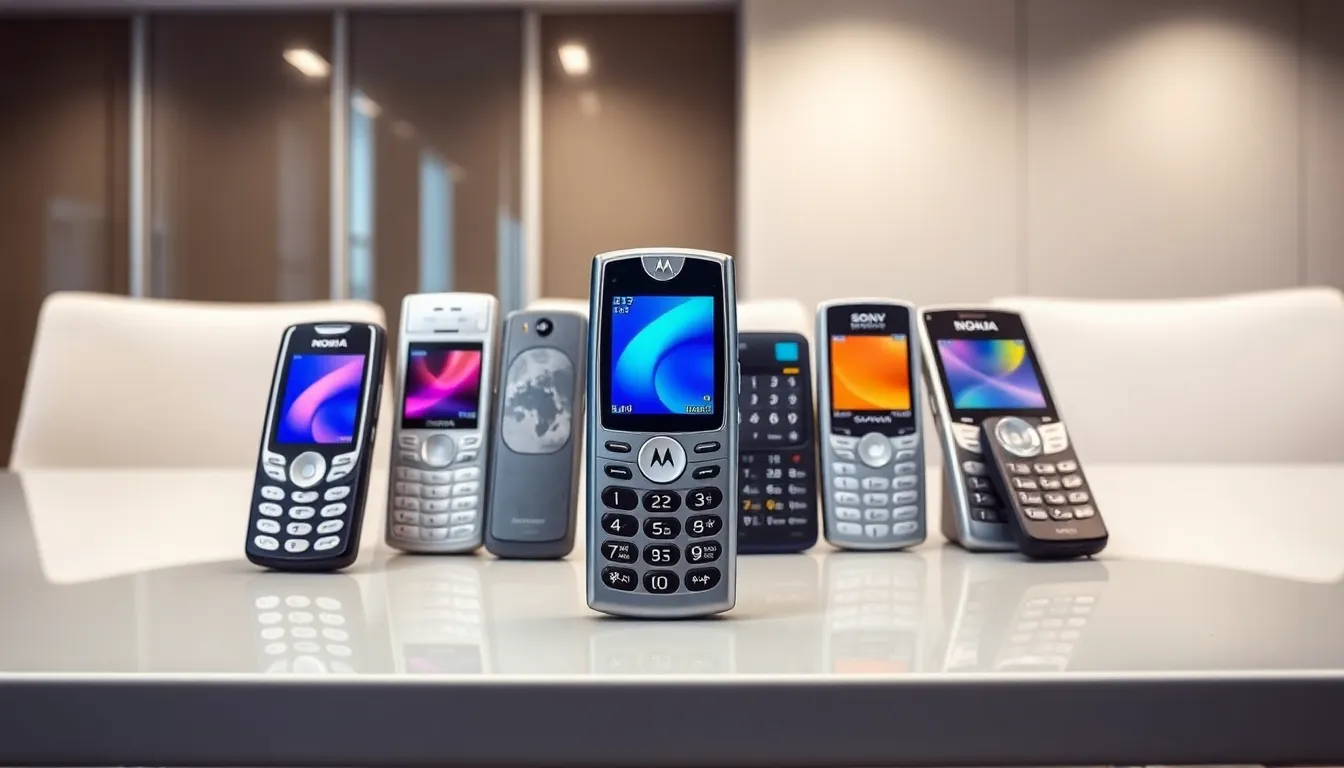
The landscape of mobile phones in 2005 was quite dynamic. The devices were beginning to shift dramatically from basic calling machines into more versatile tools. While many still carried nostalgia for their reliable flip phones, brands like Motorola and Nokia were hard at work on evolving models that introduced modest features beyond just talk and text. The advent of color screens, basic cameras, and downloadable ringtones marked a significant time, capturing consumer fascination.
Interestingly, 2005 was the year of the infamous Motorola Razr. Its sleek design and flip action made it a status symbol, even more so than its predecessors. This was also the year when mobile phones began experimenting with internet connectivity, though it might have been at a snail’s pace compared to today’s standards. Overall, 2005 marked the beginning of an exciting and tumultuous tech journey.
In a nutshell, this was a transitional year: phones were evolving bit by bit, paving the path for smartphones that soon followed.
Key Features of 2005 Phones
When exploring the features of 2005 phones, one quickly realizes how far we’ve come. For starters, the most popular devices of the year sported color screens, a big leap forward from the previous black-and-white displays. Resolution varied widely, often translating to pixelated images, but hey, it was the height of fashion in mobile tech.
Another exciting feature was the introduction of basic cameras. Although the quality couldn’t compete with modern standards, this allowed users to capture spontaneous moments, leading to an avalanche of photo-sharing that would eventually culminate in platforms like Instagram.
Also, ringtones reached new heights. Gone were the days of default sounds: users could now download their favorite tunes. This set off a ringtone revolution that had kids tapping away in their parents’ pockets. Plus, Bluetooth technology began to emerge in some models, enabling features like wireless headsets and file sharing.
Summarizing, while these phones may not compare to today’s smartphones, they offered glimpses of what was to come and features that made them highly sought after in their time.
Popular Models of 2005
Several iconic phone models stand out from 2005, making their marks in both functionality and cultural relevance. The Motorola Razr V3 was undoubtedly the star of the show. With its ultra-thin design and flashy colors, it became the archetype of the stylish phone.
Nokia also held onto a strong market share, offering models like the Nokia 6600 and Nokia 7610. These phones were known for their robust quality, long-lasting batteries, and exceptional durability. They also boasted iconic games like Snake, keeping users entertained during moments of boredom.
Another notable contender was the Sony Ericsson K750i, which brought a 2-megapixel camera to the table, representing significant progression in mobile photography. Meanwhile, Samsung was solidifying its reputation as a reliable brand through models like the Samsung D900, which packed several features into a compact design.
These models didn’t just represent distinct tech advancements: they also became symbols of user identity and personal style.
Evolution of Technology and Design
The evolution of mobile phones was swift and revolutionary around 2005. At this moment in time, manufacturers started realizing that design could be as important as function. The emergence of fashionable phones ushered in a new era: manufacturers began to focus more on aesthetics alongside usability.
One significant change involved the transition from bulky designs to sleeker, more ergonomic shapes. This was prompted not just by consumer demand for portable devices but also by advances in technology that allowed for smaller components.
Technologically, every year brought new features. In 2005, the rise of small yet powerful batteries permitted longer talk times, enabling users to remain connected without frequent charging. The push for additional features, like built-in cameras and music players, served to blur the lines between phones and portable entertainment devices.
In retrospect, this era set the stage for the smartphones that would dominate the market in the following decade. The landscape was transforming: phones were no longer just for making calls.
Impact of 2005 Phones on the Mobile Industry
The impact of phones from 2005 on the mobile industry is evident even today. This year is generally recognized as a tipping point that ignited an innovation frenzy. Manufacturers quickly realized that functionality alone wasn’t enough. How a phone looked and felt in one’s hand became just as vital.
This era saw a significant consumer shift: people were no longer content with just owning a phone. They wanted personalization, style, and unique features that reflected their personalities. The newfound interest in mobile photography paved the way for modern social media, facilitating connections that extended well beyond direct calls and texts.
Besides, the introduction of app stores in later years can be traced back to the foundation laid by these early phones. They encouraged developers to explore new functionalities that enhanced user experiences. This created not only a competitive market among manufacturers but also a thriving ecosystem for app developers.
Summarizing, 2005 phones played a critical role in shaping today’s mobile landscape, driving consumers’ expectations and forcing companies to continually innovate.


