
Transportation is evolving faster than you can say ‘traffic jam’ and, let’s be honest, that’s a good thing. With all the crazy innovations popping up, commuting might just become a delightful experience rather than a harrowing ordeal. From flying cars (okay, we’re getting there) to self-driving vehicles, embark on a journey through the landscape of emerging technologies in transportation that are set to revolutionize how we get around. Buckle up, as this is going to be a ride worth taking.
Overview Of Transportation Technologies
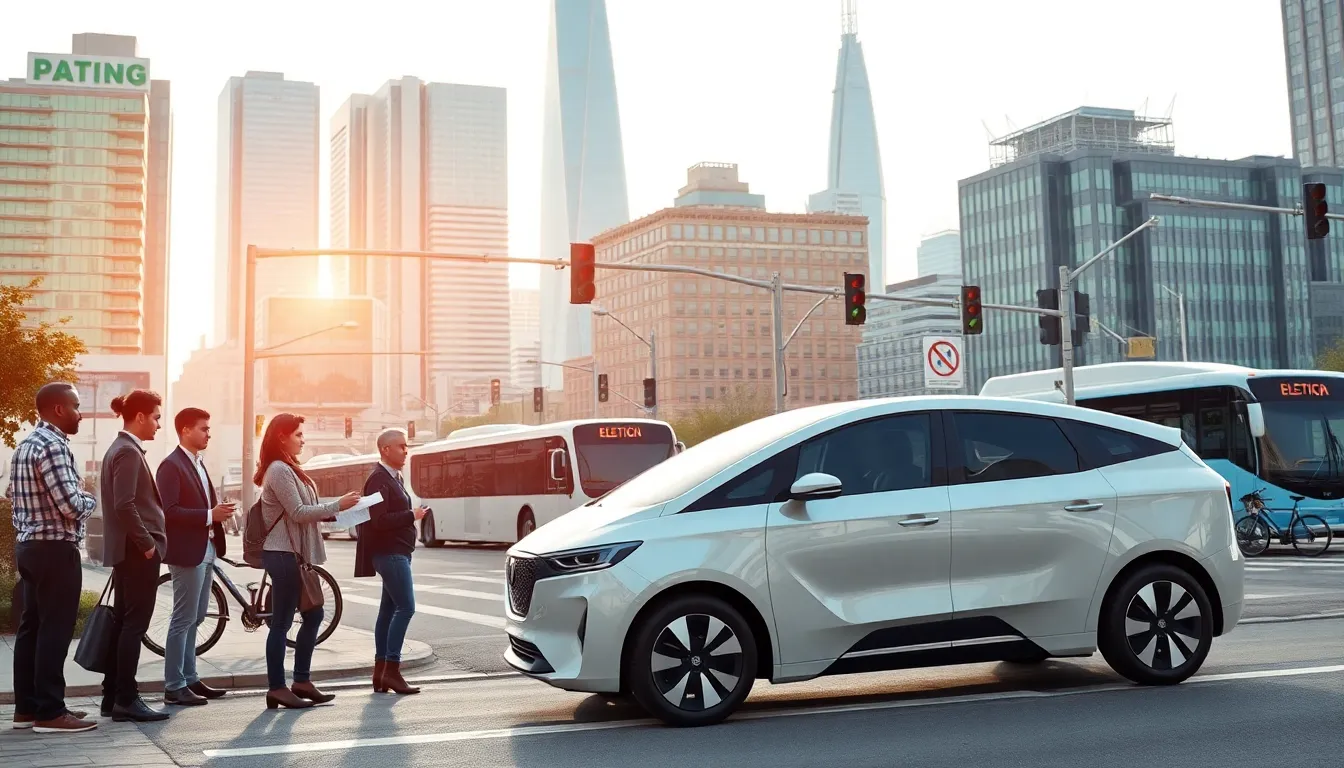
The transportation industry stands at the precipice of a technological renaissance. Today’s innovations are not just tweaks but groundbreaking advancements poised to reshape how society navigates its spaces. Traditional modes of transport are feeling the heat as newer options emerge, promising increased efficiency, safety, and sustainability. Key focus areas include automation, electrification, connectivity, and improved infrastructure, each playing an integral role in modernizing transportation. As cities grow and the demand for mobility increases, these technologies provide innovative solutions to the complex challenges faced by commuters.
The Rise Of Autonomous Vehicles
Autonomous vehicles represent one of the most anticipated developments in transportation. These self-driving cars leverage a medley of sensors, cameras, and artificial intelligence to navigate roads without human intervention. Major companies have been racing to perfect this technology, investing billions of dollars into research and development. The thought of reading a book or binge-watching your favorite show during a commute feels pretty exciting, doesn’t it?
Even though the hype, this shift isn’t just about convenience: it promises to enhance safety by drastically reducing accidents caused by human error. States and municipalities are updating regulations to accommodate these vehicles, highlighting a future where less experienced drivers may soon no longer need to take the wheel. With public confidence and infrastructure adapting, the rise of autonomous vehicles is not merely a possibility: it’s an impending reality.
Electric And Hybrid Vehicles
Electric and hybrid vehicles are redefining what it means to drive green. These innovations aren’t just buzzwords: they offer practical solutions to reduce our carbon footprint. Fueled by cleaner energy, EVs use electric motors to minimize emissions without sacrificing performance. Data shows that sales of electric vehicles soared in past years, with millions of these sleek rides hitting the roads globally.
Hybrid vehicles combine traditional gasoline engines with electric powertrains, providing a balanced approach while alleviating range anxiety, a common concern among potential EV purchasers. The competitive landscape among automakers has led to a flurry of new models that promise not only to look good in your driveway but also to contribute to a healthier planet. The commitment to renewable energy sources continues to push the boundaries of what’s possible, making these vehicles more accessible and efficient than ever.
Connected Vehicle Technology
Connectivity in vehicles is no longer a luxury but a necessity. Connected vehicle technology facilitates seamless communication between vehicles and infrastructure, enhancing road safety and traffic efficiency. Imagine cars that can talk to each other to avoid collisions or communicate with smart traffic lights to minimize delays. This kind of ecosystem is not far off.
Technologies such as Vehicle-to-Everything (V2X) are being deployed to create a more integrated transportation network. This connectivity extends beyond personal vehicles to include public transportation, where real-time tracking and smart scheduling can improve commuter experiences. Waiting for the bus might soon feel like a thing of the past, transforming it into a more predictable and user-friendly service. As these advancements become commonplace, cities will become smarter and more efficient, painting a picture of the future that is both sophisticated and sustainable.
Infrastructure Innovations
Updating infrastructure to support emerging transportation technologies is crucial. Age-old transportation systems struggle under the weight of modern demands. Smart infrastructure involves integrating sensors and IoT technologies to monitor everything from traffic flow to structural health. This data-driven approach allows for proactive maintenance and real-time adjustments, reducing congestion.
Besides, with the rise of shared mobility solutions, such as ride-sharing and e-scooters, cities must rethink their layout to accommodate these new forms of transport. Innovative designs like dedicated lanes for bicycles and autonomous shuttles can significantly enhance urban mobility. By revamping existing pathways and developing new, tech-savvy roads, metropolitan areas can unlock their potential and pave the way for sustainable urban growth.
Sustainable Transportation Solutions
As climate change poses serious threats to our environment, the demand for sustainable transportation solutions has never been more urgent. From public transportation systems to individualized micro-mobility options, society is exploring green alternatives that minimize emissions. Biking and walking infrastructure is being prioritized in more cities, encouraging healthier lifestyles and reduced carbon footprints.
Also, investment in renewable energy sources for public transit completes this eco-friendly ecosystem. The results are striking: increased air quality, healthier communities, and more engaged citizens. The transition to sustainable transportation is not only viable: it is essential for a thriving planet.
Future Trends In Transportation Technology
The future of transportation technology is fertile ground for innovative ideas. Emerging trends indicate a societal shift toward urban air mobility, with the prospect of flying taxis becoming tangible. Imagine a future where short distances could be traveled in minutes, easing ground congestion dramatically.
Also, advancements in artificial intelligence are set to revolutionize logistics and supply chain management, making goods transportation more efficient. As drones take to the skies for deliveries, businesses reevaluate how they manage their supply chains and customer interactions.
Finally, with a growing emphasis on user experience, technology is moving toward making travel more personalized and enjoyable, accommodating individual preferences like never before. As these trends converge, the transportation landscape will continue to evolve, promising a future filled with possibilities.


