
In a world where Mother Nature occasionally raises an eyebrow at human antics, eco-tech innovations are stepping in like a superhero with a green cape. These groundbreaking technologies not only promise to save the planet but also make it easier for everyone to join the sustainability party. From solar panels that dance in the sunlight to smart gadgets that whisper sweet nothings about energy efficiency, the future looks bright—and not just because of all that solar power.
Imagine a world where your morning coffee is brewed by a machine powered by the sun while you’re still in your pajamas. Sounds dreamy, right? Eco-tech isn’t just about saving the planet; it’s about making life a little more convenient and a lot more fun. Buckle up as we dive into the quirky, innovative, and downright fascinating realm of eco-tech that’s changing the way we live, one gadget at a time.
Overview of Eco-Tech Innovations
Eco-tech innovations play a crucial role in addressing pressing environmental issues. These advancements leverage technology to promote sustainability and reduce ecological footprints effectively. Solar panels showcase a prominent example of eco-tech, converting sunlight into electricity and reducing reliance on fossil fuels. Energy-efficient appliances, including LED lighting and smart thermostats, utilize less energy, resulting in cost savings and decreased greenhouse gas emissions.
Electric vehicles have also emerged as essential eco-tech innovations, providing a cleaner transportation alternative. These vehicles rely on batteries instead of gasoline, significantly lowering air pollution and dependence on non-renewable resources. Wind turbines, another vital innovation, harness wind energy to generate power, contributing to sustainable energy grids.
Water conservation technologies, like rainwater harvesting systems and low-flow fixtures, support efficient water use. These methods not only minimize waste but also promote responsible consumption, safeguarding water resources for future generations. Additionally, green building materials, such as recycled steel and bamboo, enhance construction practices, creating eco-friendly structures.
Waste management solutions focus on transforming waste into resources. Techniques such as composting and recycling help divert materials from landfills, fostering a circular economy. Smart waste bins equipped with sensors optimize collection routes, reducing emissions from waste collection vehicles.
These innovations demonstrate the potential of eco-tech to create a more sustainable future. Their integration into everyday life fosters a harmonious relationship between technology and environmental stewardship, ensuring a healthier planet for all.
Key Categories of Eco-Tech Innovations
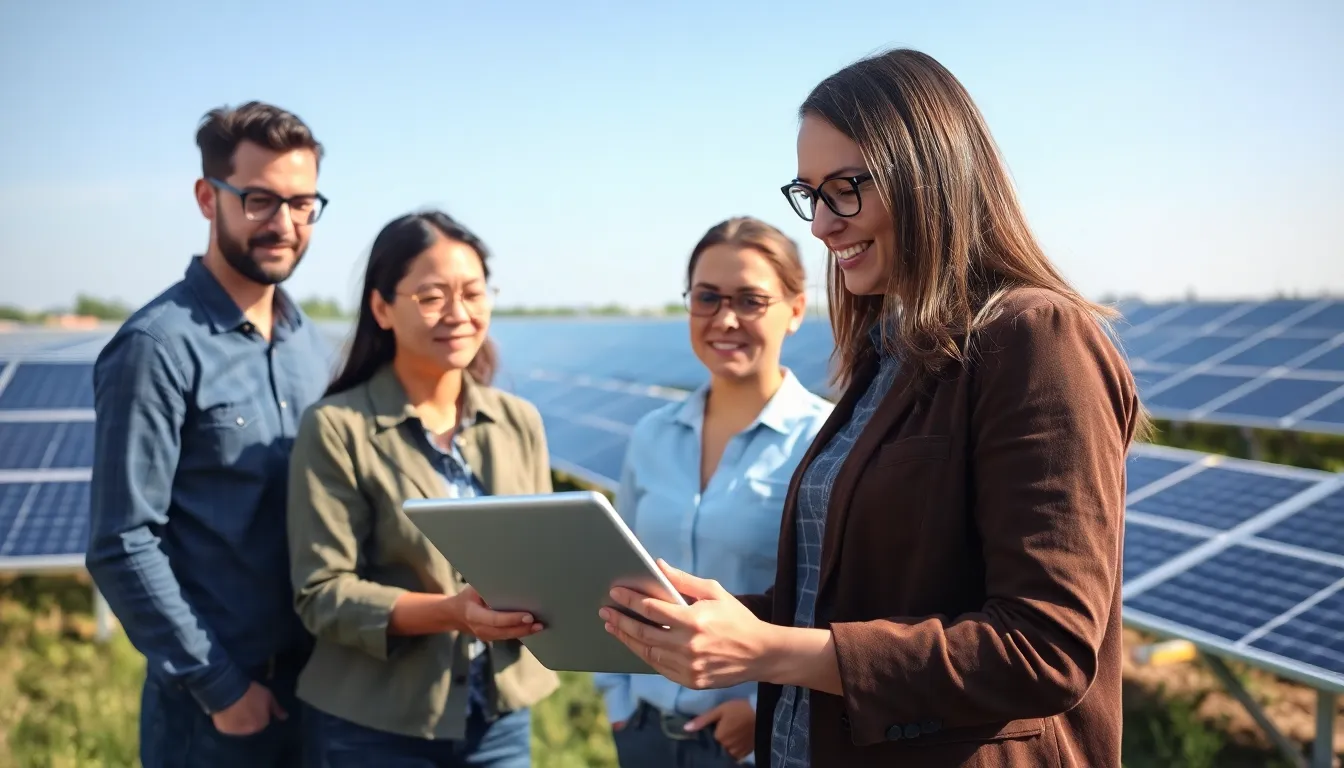
Eco-tech innovations span various categories that target sustainability and environmental stewardship. Each category contributes uniquely to addressing ecological challenges.
Renewable Energy Solutions
Renewable energy solutions harness natural resources to create clean power. Solar panels generate electricity from sunlight while reducing reliance on fossil fuels. Wind turbines capture wind energy to generate power, contributing to sustainable energy grids. Hydropower systems utilize flowing water for energy, supporting efficient electricity production. These innovations decrease greenhouse gas emissions significantly, promoting cleaner air and a healthier planet.
Sustainable Agriculture Techniques
Sustainable agriculture techniques focus on ecological balance in food production. Precision farming employs technology to optimize crop yields and minimize resource waste. Vertical farms maximize space and utilize controlled environments, reducing land use. Organic farming relies on natural processes, ensuring fewer chemicals contaminate the soil and water. Crop rotation improves soil health and increases biodiversity, fostering resilient ecosystems.
Green Building Materials
Green building materials emphasize sustainability in construction. Recycled materials, like reclaimed wood and recycled metal, reduce waste while providing durable building options. Insulation made from sustainable resources enhances energy efficiency, lowering heating and cooling demands. Low-VOC paints improve indoor air quality, benefiting occupant health. These innovations drive eco-friendly building practices, promoting a sustainable future in construction.
Impact of Eco-Tech Innovations
Eco-tech innovations significantly shape environmental and economic landscapes. They provide essential solutions to pressing challenges and foster sustainable development.
Environmental Benefits
Eco-tech innovations deliver substantial environmental benefits. Solar panels reduce reliance on fossil fuels, decreasing greenhouse gas emissions by up to 80%. Wind turbines offer another means to harness renewable energy, supplying clean power that mitigates air pollution. Technologies like rainwater harvesting conserve water, promoting responsible consumption. Additionally, energy-efficient appliances lower energy use and curtail harmful emissions. Implementing these solutions helps preserve biodiversity and enhances overall ecosystem health. Reducing waste through recycling and composting further contributes to environmental sustainability, minimizing strain on landfills and encouraging circular economies.
Economic Impacts
Eco-tech innovations stimulate economic growth in numerous ways. Renewable energy sectors employ millions of individuals, generating jobs in installation, maintenance, and manufacturing. Energy-efficient technologies decrease utility expenses, saving households and businesses significant amounts annually. Sustainable agriculture practices improve food security and increase profit margins for farmers through efficient resource management. Green building materials contribute to lower operational costs while enhancing property values. Investing in eco-tech can attract funding and partnerships, supporting long-term economic resilience and innovation. These factors illustrate how prioritizing eco-tech leads to both environmental protection and economic prosperity.
Challenges and Limitations
Eco-tech innovations encounter several challenges that impact their effectiveness. High initial costs often deter widespread adoption of technologies like solar panels. Many consumers may find the upfront investment daunting, despite long-term savings. Limited infrastructure also poses a significant obstacle. Areas lacking adequate energy grids may struggle to implement renewable solutions effectively.
Regulatory hurdles complicate the deployment of eco-tech as well. Government policies may not always support innovative practices, creating uncertainty in investment. The complexity of existing regulations can slow down the implementation of new technologies, limiting their reach. Performance consistency remains another concern. Weather-dependent technologies, such as solar and wind power, face reliability issues that can affect energy generation.
Transitioning to sustainable practices can also meet resistance from industries reliant on traditional methods. Established energy sectors often lobby against eco-tech, prioritizing their interests over environmental benefits. Additionally, education and awareness play critical roles in the adoption of eco-tech. Many consumers lack knowledge about available options, hindering the shift toward greener technologies.
Resource availability presents another limitation. The production of eco-friendly devices often relies on rare materials, which can lead to unsustainable extraction practices. Supply chain challenges further complicate access to these resources, affecting overall production. Despite the potential for eco-tech to create a sustainable future, addressing these challenges is vital. Overcoming these obstacles ensures that eco-tech innovations can fulfill their promise of enhancing environmental stewardship.
Future Trends in Eco-Tech Innovations
Emerging trends in eco-tech innovations indicate a shift towards increased adoption of artificial intelligence for optimizing energy efficiency. Automation technologies help manage energy consumption in homes and businesses, leading to significant reductions in overall usage. Smart grids evolve to integrate various renewable energy sources, enhancing reliability and efficiency in energy distribution.
Advancements in battery technology promise more efficient energy storage solutions. These improvements support the growth of renewable energy, allowing for better management of energy generated from solar and wind sources. Additionally, next-generation electric vehicles emerge with longer ranges and faster charging capabilities, attracting more consumers toward sustainable transportation options.
A focus on urban sustainability drives the development of smart city initiatives. These projects incorporate eco-friendly technologies like green roofs, urban gardens, and energy-efficient public transportation systems. Integration of these systems aims to foster a healthier urban environment while reducing carbon footprints.
Innovations in sustainable materials further contribute to eco-tech’s impact. The creation of biodegradable plastics and recycled building materials showcases the commitment to reducing waste and promoting circular economies. Companies increasingly adopt sustainable practices in manufacturing, reflecting consumer demand for environmentally friendly products.
Finally, collaboration among governments, businesses, and research institutions becomes essential in advancing eco-tech. Partnerships facilitate knowledge sharing and investment in sustainable technologies, driving broader implementation. By prioritizing these trends, eco-tech innovations can establish a sustainable future and create a lasting environmental impact.
Eco-tech innovations are reshaping the way society approaches sustainability. By harnessing the power of technology, these advancements not only address environmental challenges but also enhance everyday living. The integration of renewable energy solutions and sustainable practices paves the way for a healthier planet and a more prosperous economy.
As the world continues to face pressing ecological issues, the commitment to eco-tech will be crucial. Overcoming existing obstacles and fostering collaboration among various stakeholders can drive the widespread adoption of these transformative innovations. Embracing eco-tech is not just a choice; it’s a necessity for a sustainable future that balances environmental stewardship with economic growth.


