When it comes to keeping horses healthy, spotting the sneaky signs of Equine Protozoal Myeloencephalitis (EPM) can feel like a game of hide and seek. This tricky disease loves to play coy, often revealing its presence through subtle hints that can easily be overlooked. If you think your horse is just having a bad hair day or is too busy plotting world domination to pay attention, think again.
Understanding EPM in Horses
Equine Protozoal Myeloencephalitis (EPM) affects the central nervous system and can lead to severe neurological disorders in horses. This disease is caused by the parasite Sarcocystis neurona, typically found in opossums. Many horses exposed to this parasite remain asymptomatic, which complicates diagnosis. Subtle signs often present before more pronounced symptoms develop.
Behavioral changes might serve as early indicators. Horses may display unusual aggressiveness, lethargy, or changes in personality. Muscle atrophy can also appear, particularly in the hindquarters, reflecting a gradual loss of muscle mass. Coordination difficulties, noticeable through stumbling or an unsteady gait, often emerge as EPM progresses.
Posture can shift, with affected horses showing signs of weakness or an abnormal stance. Decreased performance in athletic activities may become apparent as well. These signs might initially seem relatively minor, but they warrant further investigation. Owners should monitor these changes closely.
Diagnostics play a crucial role in managing EPM effectively. Blood tests and cerebrospinal fluid analysis provide insight into whether the parasite is present. A comprehensive veterinary examination enhances the likelihood of early detection.
Early intervention increases the chances of a successful outcome. Treatments like anti-parasitic medications and supportive therapies can help manage symptoms. Considering the potential severity of EPM, recognizing even subtle signs can significantly impact a horse’s health and quality of life.
Common Symptoms of EPM
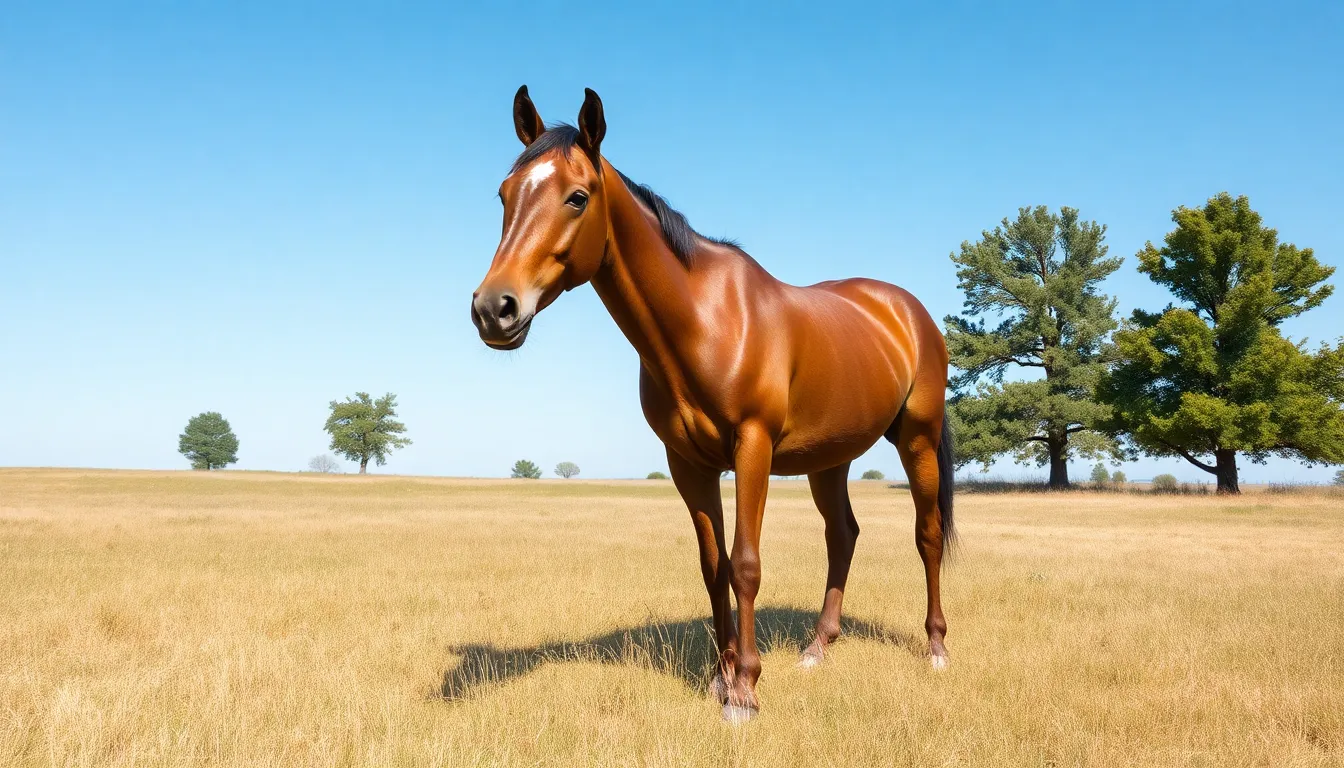
Identifying symptoms of EPM in horses requires keen observation. Subtle signs may indicate underlying neurological issues related to the parasite Sarcocystis neurona.
Physical Signs
Muscle atrophy appears noticeable in affected horses. Coordination difficulties manifest as stumbling or dragging of feet. Changes in posture often include a tilted head or difficulty maintaining balance. Riders may observe reduced performance in athletic activities, indicating the potential presence of EPM. Abnormalities in gait can range from lameness to signs of weakness in one or more limbs. These physical signs highlight the importance of monitoring horses closely for early detection.
Behavioral Changes
Behavioral changes often serve as early indicators of EPM. Unexpected aggressiveness or shifts in temperament can occur. Lethargy may become apparent as the horse shows less interest in usual routines. Changes in social behavior, including withdrawal from companions, can indicate discomfort or neurological impairment. Attention to these subtle shifts becomes critical for responsible management. Early recognition of these symptoms can lead to timely diagnostics and intervention.
Subtle Signs of EPM in Horses
Subtle signs of Equine Protozoal Myeloencephalitis (EPM) may often go unnoticed, yet they play a critical role in identifying the condition early.
Changes in Gait and Movement
Gait changes can be a primary indicator of EPM. Horses might exhibit a stiff or uncoordinated walk. They may stumble or drag their hind limbs while traveling. A noticeable alteration in their balance could also occur, causing difficulty while turning or pivoting. Riders may notice a reduction in overall agility. Observers should pay attention to these variations, as they reflect potential neurological issues linked to the disease.
Alterations in Eating Habits
Eating behavior can also signal EPM’s presence. Affected horses may show a decrease in appetite or may avoid certain types of feed altogether. Increased difficulty while chewing or swallowing food can become apparent as the disease progresses. Some horses start exhibiting preferences for soft feeds over harder ones. Changes in grooming and foraging behavior might also emerge, indicating a decline in overall health related to this condition. These alterations warrant closer observation for effective identification and management.
Diagnosis and Testing for EPM
Diagnosing Equine Protozoal Myeloencephalitis involves multiple steps to confirm the presence of the disease. Vets typically start with a thorough physical examination and detailed history of the horse’s symptoms. Changes in behavior, performance, and muscle condition can provide crucial clues for veterinarians.
Testing often includes blood tests to detect antibodies against the parasite Sarcocystis neurona. A positive result may suggest infection, though it doesn’t confirm EPM due to the possibility of previous exposure without active disease. Cerebrospinal fluid examinations are also significant, as they reveal the presence of antibodies in the central nervous system, offering a more definitive diagnosis.
Imaging techniques, such as MRI or CT scans, may help assess neurological damage caused by EPM. Abnormalities in the brain or spinal cord can indicate the severity of the infection. The combination of clinical signs and test results contributes to making an accurate diagnosis.
In some cases, horse owners face challenges when interpreting test results. Consulting with an equine neurologist or specialized veterinarian can provide additional insights and help design a treatment plan. Early diagnosis significantly impacts treatment effectiveness and overall prognosis.
Monitoring and re-evaluating the horse’s condition once treatment starts is crucial. Adjustments to therapy may be necessary based on the horse’s response to medication. Ongoing observation ensures that any recurring or new symptoms are addressed promptly.
Treatment Options for EPM
Effective treatment for Equine Protozoal Myeloencephalitis (EPM) involves a combination of medication, supportive care, and monitoring the horse’s response. Antiprotozoal medications, such as ponazuril or diclazuril, serve as the primary treatment option by targeting the parasite Sarcocystis neurona. Evidence shows that these drugs can help reduce the parasite’s activity, allowing recovery of neurological function.
Veterinarians often recommend administering these medications for several weeks to maximize efficacy. Alongside antiprotozoals, supportive care plays a critical role during treatment. Offering a balanced diet, maintaining hydration, and ensuring a comfortable living environment contribute to the horse’s overall well-being. Regular exercise, appropriate to the horse’s condition, aids in recovery by promoting muscle strength and coordination.
Monitoring the horse closely becomes essential during treatment. Frequent check-ups enable veterinarians to assess improvements or potential side effects from medications. Adjustments to the treatment plan may occur based on the horse’s progress. Many veterinarians utilize follow-up blood tests and cerebrospinal fluid examinations to evaluate the effectiveness of the chosen therapies.
Post-treatment observation remains crucial, as some horses experience lingering effects from EPM. Behavioral changes or physical issues might require ongoing management strategies. By collaborating with an equine neurologist, owners can develop a comprehensive long-term care plan. This approach ensures that the horse receives appropriate support, allowing for a better quality of life even after the initial treatment phase.
Recognizing the subtle signs of EPM is crucial for horse owners and caregivers. Early detection can lead to timely intervention and better outcomes. By paying attention to behavioral changes and physical symptoms like coordination issues and muscle atrophy, they can take proactive steps to ensure their horse’s health. Regular veterinary check-ups and open communication with equine professionals can further enhance the chances of identifying this complex disease. Ultimately, vigilance and awareness are key in managing EPM effectively and maintaining a horse’s quality of life.