
In a world where energy consumption is skyrocketing faster than a cat video goes viral, sustainable energy tech is stepping up to save the day. Imagine a future where solar panels are as common as smartphones and wind turbines are the new fashion statement. It’s not just a dream; it’s happening right now.
Overview of Sustainable Energy Tech
Sustainable energy technology focuses on harnessing renewable energy sources to meet growing energy demands. Solar energy systems capture sunlight through photovoltaic panels, converting it into electricity for residential and commercial use. Wind energy relies on turbines that transform kinetic energy from wind into power, contributing significantly to the global energy mix.
Biomass energy utilizes organic materials. This process involves converting waste products into usable energy, reducing landfill waste while producing power. Geothermal energy sources draw heat from beneath the Earth’s surface, generating electricity and providing direct heating solutions. Hydropower also plays a crucial role, employing flowing water to generate energy, which is particularly effective in regions with abundant river systems.
Innovations in energy storage have propelled sustainable tech forward. Batteries, particularly lithium-ion variants, enable wind and solar energy to supply power even when conditions aren’t optimal. These advancements facilitate a more stable energy grid for consumers.
Sustainable energy tech continues to evolve, driven by decreasing costs and technological advancements. According to the International Renewable Energy Agency, renewables accounted for over 80% of new electricity generation capacity in 2020. Policymakers and businesses increasingly recognize the importance of investing in these technologies to reduce carbon emissions and foster energy independence.
By embracing sustainable energy solutions, societies can significantly lower their environmental impact. Enhanced efficiency measures combined with renewable energy can lead to a more sustainable future with cleaner air and reduced reliance on fossil fuels.
Types of Sustainable Energy Technologies
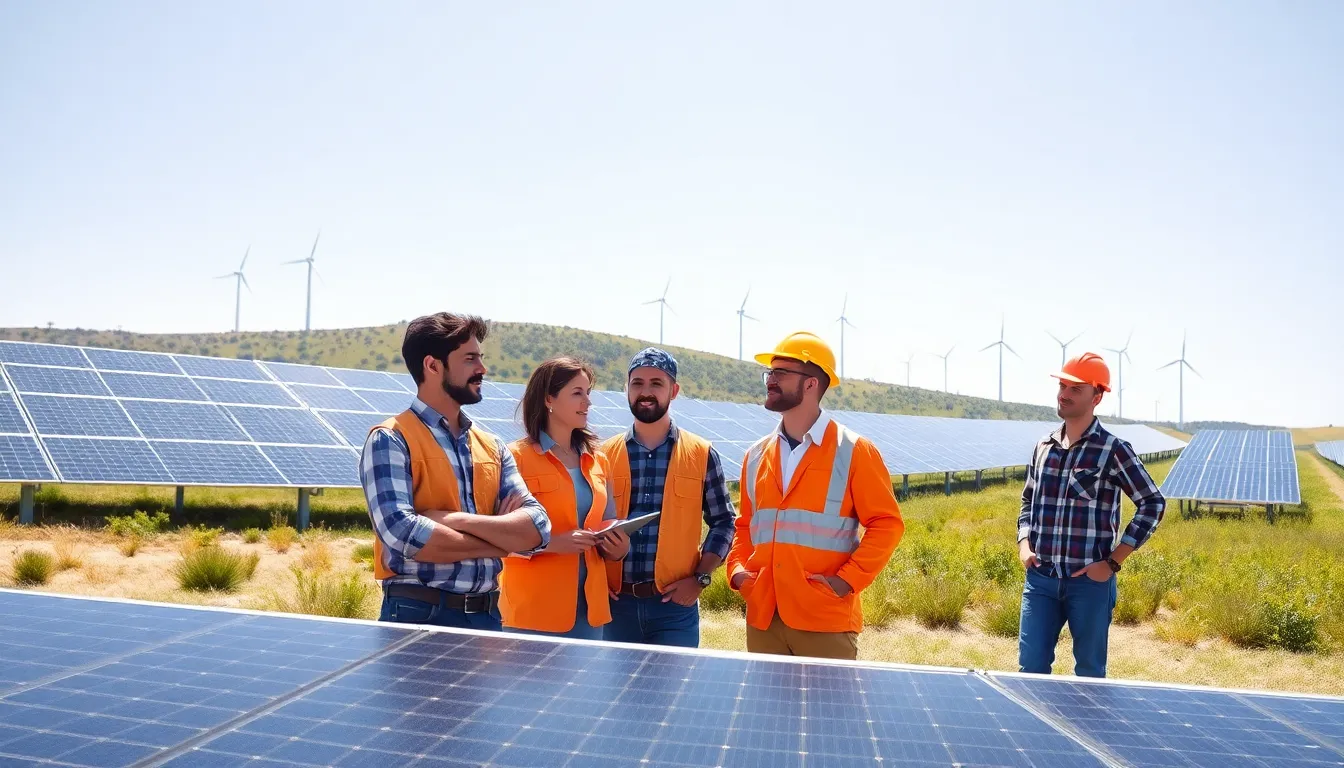
Various sustainable energy technologies play a crucial role in reducing carbon emissions and promoting energy independence. These systems harness natural resources to generate power while lowering environmental impact.
Solar Energy Solutions
Solar energy systems convert sunlight into electricity through photovoltaic cells. Photovoltaic panels, now more efficient and affordable, encourage widespread adoption, contributing significantly to energy production. Concentrated solar power systems utilize mirrors or lenses to focus sunlight, generating heat that produces electricity. In 2020, solar energy accounted for approximately 43% of new renewable energy capacity, showing its growing importance. Energy storage innovations, including lithium-ion batteries, enhance the reliability of solar power, allowing users to access stored energy during non-sunny periods.
Wind Energy Innovations
Wind energy relies on turbines that convert kinetic energy from wind into electrical power. Turbine technology has advanced, increasing efficiency and reducing costs. The global wind energy capacity reached over 743 gigawatts in 2020, making it one of the fastest-growing renewable energy sources. Offshore wind farms are gaining traction, as they often harness stronger winds than their onshore counterparts. Innovations in turbine design, including larger rotor diameters, contribute to higher energy output, further solidifying wind energy’s role in a sustainable future.
Hydropower Advancements
Hydropower generates energy by harnessing the flow of water in rivers and dams. This technology remains one of the oldest and most widely used forms of renewable energy, currently providing about 16% of global electricity. Innovations in turbine design and hydropower systems improve efficiency while minimizing environmental impact. Run-of-river systems offer a less intrusive alternative to traditional dams, generating power without significant reservoirs. As countries invest in modernizing their infrastructures, hydropower continues to play a critical role in sustainable energy solutions.
Benefits of Sustainable Energy Tech
Sustainable energy technology offers significant advantages for both the environment and the economy. It plays a critical role in fostering a cleaner and more resilient energy landscape.
Environmental Impact
Sustainable energy technologies drastically reduce greenhouse gas emissions. Utilizing renewable sources like solar and wind minimizes reliance on fossil fuels, which contributes to cleaner air and water. Moreover, these technologies help combat climate change, as they lower carbon footprints significantly. Natural habitats benefit as well, thanks to reduced pollution levels and less disruption to ecosystems. Transitioning to sustainable energy fosters biodiversity, protecting vital species and habitats from the consequences of climate change.
Economic Advantages
Adopting sustainable energy tech creates numerous economic opportunities. Job growth in renewable energy sectors, such as solar and wind, has surged, with millions employed globally. Energy independence results from utilizing local resources, reducing vulnerability to fluctuating fossil fuel prices. Furthermore, investments in sustainable technologies often lead to lower energy costs in the long run. System efficiency improvements contribute to consumer savings, entrenching sustainable energy as an economically viable choice for both businesses and households.
Challenges in Implementing Sustainable Energy Tech
Implementing sustainable energy technology faces significant challenges that can hinder progress. Two major issues include technological barriers and policy limitations.
Technological Barriers
Innovations in sustainable energy tech encounter various technological barriers. Initial costs for advanced solar panels and wind turbines can be prohibitively high for some users. Infrastructure limitations slow down the integration of renewable sources into existing power grids. Battery storage technology, while improving, still requires further efficiency enhancements to support widespread adoption. Reliability issues persist in energy supply due to the intermittent nature of solar and wind resources. Solutions exist, yet widespread implementation depends on overcoming these challenges.
Policy Limitations
Policy limitations significantly affect the growth of sustainable energy technology. Many regions lack supportive legislation that facilitates renewable energy projects. Regulatory hurdles often slow down the permitting processes for new solar or wind installations. Financial incentives for businesses and homeowners may not provide sufficient motivation to transition to sustainable options. Furthermore, inconsistencies in energy policy can create uncertainty among investors and developers. Addressing these limitations is crucial for fostering an environment conducive to sustainable energy adoption.
Future Trends in Sustainable Energy Tech
Forecasting advancements in sustainable energy tech reveals several key trends shaping the future. Increasing adoption of solar energy systems is expected, with efficiency rates of photovoltaic panels continuing to rise. Wind energy will see significant growth, particularly through the expansion of offshore wind farms that harness untapped potential.
Emerging technologies in energy storage promise to transform how renewable energy integrates into the grid. Solid-state batteries, offering greater energy density and safety than traditional lithium-ion options, will likely become more prevalent. Additionally, advancements in hydrogen fuel cells may enhance energy storage solutions while supporting decarbonization efforts.
Smart grid technology must also evolve to enhance energy management. These grids will employ artificial intelligence to optimize energy distribution, analyze data in real-time, and improve grid resilience. Cybersecurity measures will take precedence as these systems become more interconnected.
Another trend involves the rise of decentralized energy systems. Communities adopting microgrids may gain increased energy independence and resilience, reducing reliance on centralized utilities. This shift encourages local energy production through solar panels and wind turbines, fostering a more sustainable energy landscape.
Lastly, market dynamics will push policymakers to establish clearer regulations and incentives. Governments are likely to strengthen their commitments to renewable energy through favorable legislation, promoting investments in sustainable technologies. This trend aligns with growing public demand for climate action and a cleaner future, positioning sustainable energy as the backbone of tomorrow’s economy.
Sustainable energy technology stands at the forefront of addressing the urgent challenges posed by rising energy consumption and climate change. As innovations continue to enhance efficiency and affordability, the transition to renewable sources like solar and wind is not just a possibility but a necessity.
The evolution of energy storage and smart grid technology will further support this shift, making renewable energy more reliable and accessible. With growing recognition from policymakers and businesses alike, the path toward a greener future is becoming clearer.
By embracing sustainable energy solutions, societies can pave the way for a cleaner environment and a more resilient economy, ultimately reducing dependence on fossil fuels and fostering long-term sustainability.


