
When it comes to political figures, few spark as much debate as Robert F. Kennedy Jr. Love him or loathe him, he’s become a lightning rod for controversy. With a family legacy steeped in American history, one might expect a smooth ride, but RFK Jr. seems to have taken the scenic route through a minefield of misinformation and conspiracy theories.
So, what’s really going on with RFK Jr.? Is he a misunderstood crusader for health freedoms or just another voice in the echo chamber of anti-establishment rhetoric? This article dives into the perplexing world of RFK Jr., exploring the quirks and controversies that have left many scratching their heads—and perhaps reaching for a good laugh. Buckle up as we dissect the enigma that is RFK Jr. and uncover the reasons behind the bewilderment surrounding his journey.
Overview of RFK Jr.’s Background
Robert F. Kennedy Jr. was born on January 17, 1954, into the prominent Kennedy family. His father, Robert F. Kennedy, served as U.S. Attorney General and was a U.S. Senator. His family legacy includes political achievements and strong public service. Education played a crucial role, with RFK Jr. earning a Bachelor of Arts from Harvard University and a law degree from the University of Virginia.
Many know him for his advocacy work in environmentalism and public health. He has campaigned against pollution and advocated for clean water initiatives. As an attorney, he represented various environmental groups, contributing to significant legal victories.
The controversial aspects of his public life gained traction with his stance on vaccines. RFK Jr. has been a vocal critic of vaccine safety, prompting discussions around his credibility and motives. The debate includes allegations of spreading misinformation, especially during the COVID-19 pandemic.
Public perception remains divided. Supporters view him as a champion of individual rights, while critics label him as an anti-vaccine figure. His ongoing political ambitions, including a run for president, fuel further discourse about his impact on public opinion and health policies. The complexities of his background illustrate a multifaceted individual navigating the intersections of family legacy, advocacy, and controversy.
Controversial Statements and Beliefs
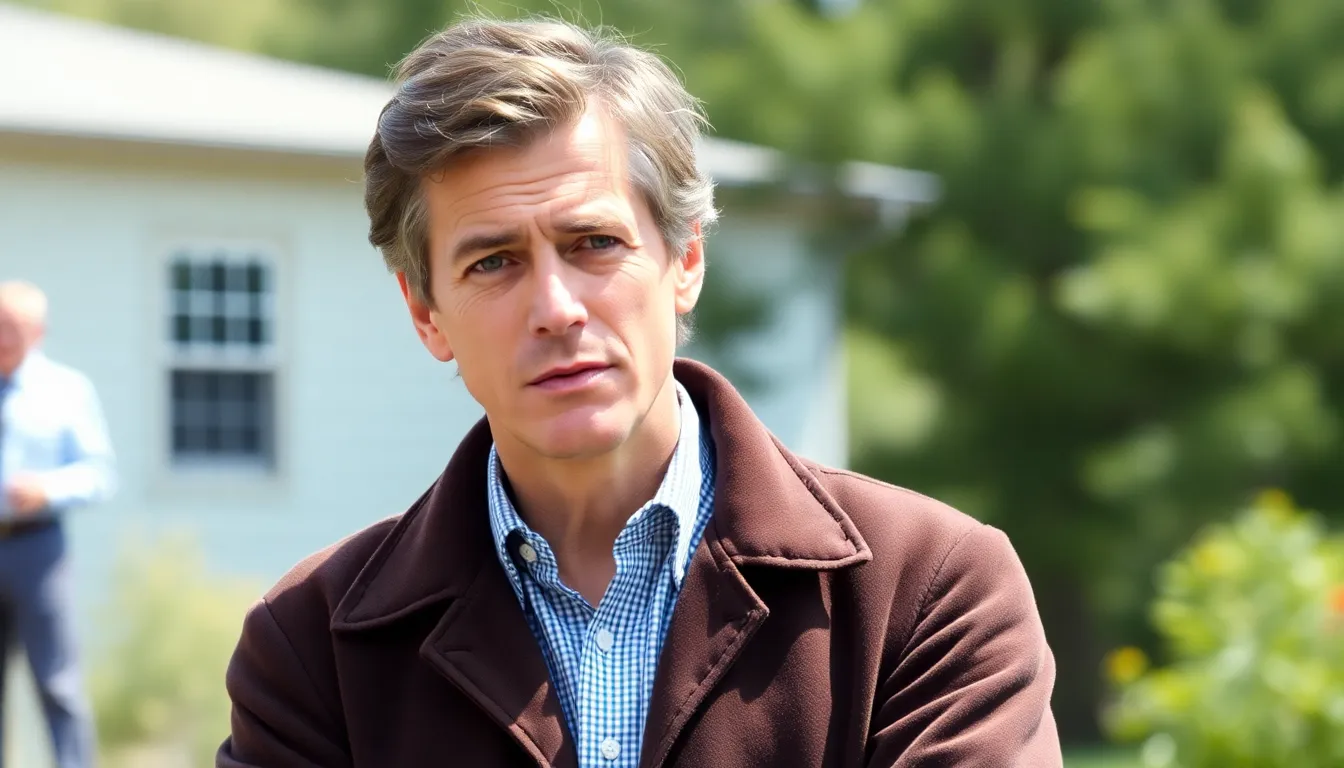
Robert F. Kennedy Jr.’s views often ignite significant debate. His positions challenge widely accepted norms and attract both fervent supporters and harsh critics.
Vaccine Opposition
Kennedy has gained notoriety for his strong opposition to vaccines. He questions vaccine safety and promotes the idea that vaccines lead to various health issues. This stance has prompted accusations of spreading misinformation, especially during the COVID-19 pandemic. Numerous health organizations, including the CDC and WHO, have refuted his claims, emphasizing the importance of vaccines in preventing diseases. Public health experts warn that his rhetoric could discourage vaccination, potentially leading to outbreaks of preventable illnesses. Many parents and individuals concerned about health freedoms rally behind his message, viewing him as a voice of dissent.
Climate Change Skepticism
Climate change skepticism represents another contentious aspect of Kennedy’s beliefs. He has criticized mainstream climate science, arguing that environmental regulations can harm economic growth. His past involvement with environmental advocacy contrasts with his current stance, prompting questions about his motivations. Some environmentalists express concern over his position, fearing it undermines urgent climate action efforts. Extensive scientific research supports the consensus that human activity significantly contributes to climate change. As debates continue, Kennedy’s views complicate discussions about environmental policies and societal responsibility.
Political Positions and Actions
RFK Jr.’s political positions evoke significant debate. His views often intertwine with public health and environmental policy, generating diverse reactions.
Impact on Public Health
Kennedy’s stance against vaccines has been a focal point of his public persona. Critics accuse him of promoting misinformation, which undermines public health initiatives. The CDC and WHO advocate for vaccines, emphasizing their role in preventing disease outbreaks. Many health experts argue that his claims about vaccine safety are not supported by scientific evidence. This discord contributes to ongoing discussions in the health community about the consequences of vaccine hesitancy. Overall, Kennedy’s perspective shapes a critical dialogue regarding health freedoms and responsibilities.
Public Perception and Media Coverage
Media coverage of Kennedy often reflects the polarized views surrounding his advocacy. Supporters herald him as a defender of individual rights, while detractors label him as an anti-vaccine provocateur. Coverage frequently highlights his environmental activism, contrasting it with recent climate skepticism. This duality complicates his public image and influences how media narratives unfold. Various outlets report on his political ambitions, which adds another layer to the discussion about his influence on health policies and environmental matters. Recognition of these contrasting perspectives is vital for understanding Kennedy’s ongoing impact.
Criticism from Fellow Democrats
Critics within the Democratic Party view Robert F. Kennedy Jr.’s positions as contradictory to party values. Vaccine skepticism raises alarms among health advocates, prompting notable Democrats to distance themselves from his rhetoric. Prominent figures express concern that his anti-vaccine stance could undermine public health efforts.
Even within his own family, disagreements about his beliefs surface. Some Kennedy family members publicly refute his claims, asserting that his views misrepresent trusted scientific consensus. Leadership from the Democratic National Committee warns that supporting candidates with extreme views may jeopardize party unity and election outcomes.
Statements from health organizations highlight the dissonance between Kennedy’s assertions and established science. The Centers for Disease Control and Prevention, along with the World Health Organization, stress the importance of vaccines in preventing disease outbreaks. This emphasis underscores the apprehension many Democrats feel toward his narrative.
Kennedy’s approach to climate change also draws skepticism from party members. Environmentalists point out that his critiques of climate science contradict his previous advocacy for environmental protections. Attention to climate issues remains a priority for the party, making his stance seem increasingly out of step.
Public discussions reflect this division. Many Democrats argue that Kennedy’s controversial positions distract from pressing issues their party must address. While some admire his boldness, others fear the implications of his views on electoral success.
Overall, Kennedy’s political ambitions face an uphill battle due to the criticism he receives from fellow Democrats. The ongoing dialogue emphasizes the challenges he encounters in aligning with party principles while navigating his unique political path.
Robert F. Kennedy Jr.’s complex persona continues to evoke strong opinions across the political spectrum. His advocacy for health freedoms and environmental issues is often overshadowed by his controversial views on vaccines and climate change. The stark divide in public perception highlights the challenges he faces as he navigates his political ambitions.
Criticism from fellow Democrats and health organizations underscores the potential consequences of his rhetoric on party unity and public health. As Kennedy’s journey unfolds it’s clear that understanding his multifaceted character is essential for grasping the broader implications of his influence on contemporary debates. The ongoing discourse surrounding him reflects a critical intersection of individual rights, scientific consensus, and political responsibility.


