Picture this: you’re all set for a getaway, bags packed, excitement buzzing. Then, the dreaded announcement—your flight’s delayed. Suddenly, that tropical paradise feels a million miles away, and your patience is wearing thinner than the airline’s complimentary snacks. But wait! Did you know you might be entitled to a refund?
In a world where airline delays can leave passengers feeling like they’re stuck in a time warp, understanding your rights can turn frustration into empowerment. Whether it’s a few hours or a full-blown cancellation, knowing how to navigate the refund process can save you time, money, and maybe even your sanity. Buckle up as we dive into the ins and outs of airline refunds for delayed flights, turning your travel woes into a victory lap.
Understanding Airline Refunds for Delayed Flights
Passengers experiencing delayed flights often have rights regarding refunds. Airlines typically issue refunds when delays meet specific criteria like duration and cause. Hundreds of passengers seek compensation annually, highlighting the importance of knowing one’s rights.
Timing plays a crucial role in the refund process. Airlines must provide refunds for delays beyond a certain timeframe, usually three hours or more. Legislation varies by country, but understanding local laws enhances chances of receiving compensation.
Documentation also matters significantly. Keeping track of flight itineraries, boarding passes, and any communication with airlines aids in supporting refund requests. Many airlines require proof of delay, which passengers can obtain from official sources or app notifications.
Filing a claim requires certain steps. Start by contacting the airline directly through customer service channels. Provide necessary information like flight numbers, travel dates, and supporting documents. Some airlines allow online submission of refund requests for convenience.
Response times differ among airlines. Passengers may encounter various waiting periods for claim processing, so patience remains vital. Following up on claims can expedite responses, especially if significant time passes without feedback.
Understanding compensation eligibility strengthens advocacy. Airlines may offer vouchers or goodwill gestures in addition to monetary refunds. Knowing the differences between these options allows passengers to select the most beneficial route.
Awareness increases likelihood of successful claims. Staying informed about airline policies ensures passengers do not miss opportunities for compensation. Brokers and travel agencies can also assist in navigating complicated refund processes effectively.
Reasons for Delayed Flights
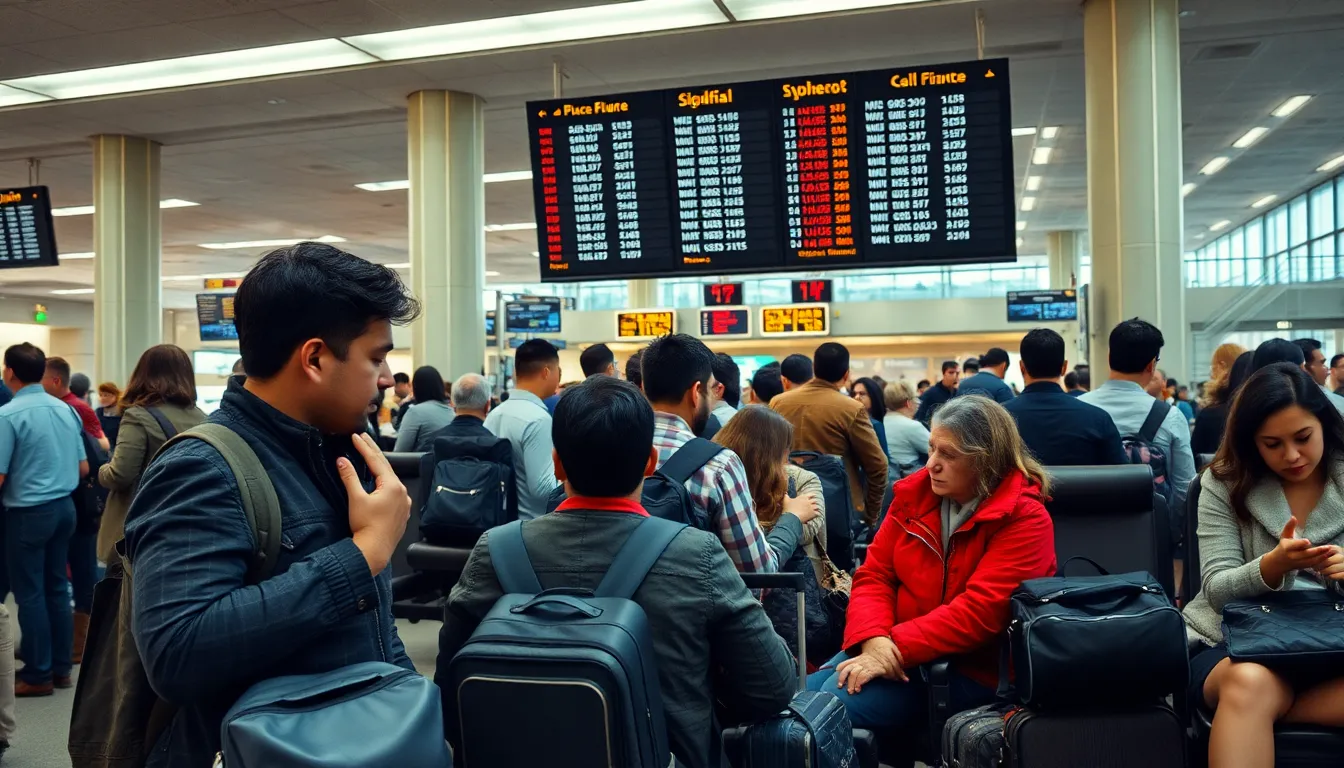
Flight delays occur for various reasons. Understanding these factors helps passengers navigate their rights regarding refunds.
Weather Conditions
Adverse weather significantly impacts flight schedules. Heavy rain, snow, and storms often lead to delays. Airlines prioritize passenger safety, which means canceling or postponing flights in severe weather is common. Conditions like fog reduce visibility, necessitating extended wait times. With fluctuating forecasts, passengers should stay updated on weather-related changes to their travel plans.
Technical Issues
Technical problems frequently cause flight disruptions. Aircraft must undergo regular maintenance checks; failure of critical components can delay departures. Mechanical issues that arise shortly before a flight require immediate attention. Any unplanned repairs might extend waiting times for air travel. Passengers facing such delays should be aware that safety regulations necessitate thorough inspections, often leading to longer processing times.
Operational Challenges
Operational efficiency is crucial for airlines. Staffing shortages or mismanaged scheduling often lead to delays. Airport congestion can also result from increased travel demand, especially during peak seasons. Airlines strive to manage these challenges, but sometimes delays are inevitable. Passengers should know that operational issues may affect compensation eligibility depending on the circumstances surrounding the delay.
Passenger Rights and Regulations
Passengers affected by flight delays possess certain rights associated with refunds, outlined by various regulations. Understanding these laws helps navigate the refund process effectively.
US Regulations
In the United States, regulations dictate that airlines must provide refunds for delays over three hours. This requirement stands regardless of the reason for the delay. Passengers may also receive compensation if they experience significant schedule changes or cancellations. The Department of Transportation (DOT) enforces these regulations, ensuring airlines comply. Documentation plays a crucial role in navigating US regulations, as passengers should retain flight itineraries and receipts to support their refund claims.
International Regulations
Internationally, passenger rights vary but often provide stronger protections compared to US regulations. The European Union implemented EC 261/2004, granting compensation for delays exceeding three hours and cancellations. Compensation amounts can range from €250 to €600, depending on flight distance. Additionally, many countries have adopted similar laws, offering coverage for delays and cancellations. Passengers traveling within or from EU member states should familiarize themselves with these regulations, as they significantly influence refund eligibility. Understanding global regulations empowers travelers to advocate effectively for their rights.
How to Request an Airline Refund
Passengers can effectively navigate the refund process for delayed flights by preparing thoroughly and submitting claims accurately. Being informed and organized contributes significantly to a smoother experience.
Preparing Your Claim
Gathering essential documentation is the first step in preparing a claim. Keep flight itineraries, boarding passes, and receipts for expenses incurred during delays. Review the airline’s policies regarding refunds, as each company may have different criteria. Confirm the duration and cause of your delay, noting that airlines typically owe refunds for delays exceeding three hours. Note relevant local laws and regulations to understand passenger rights better. Verification of flight details enhances the claim’s strength. Taking these initial steps lays a solid foundation for a successful refund request.
Submitting Your Request
Start the submission process by visiting the airline’s official website or contacting customer service. Provide all necessary details, including flight numbers, dates, and the nature of the delay, ensuring clarity in your explanation. Use the established documentation to support the claim—attach copies or images as needed. Following up after the initial submission can expedite the response time. Be prepared to communicate through various channels, such as phone, email, or social media. Persistence often yields better results and increases the chances of receiving the expected compensation.
Common Challenges in the Refund Process
Navigating the refund process can present significant challenges for passengers. Understanding these hurdles is crucial to achieving a successful outcome.
Denied Claims
Claim denials often frustrate passengers. Airlines may reject claims based on technicalities such as insufficient documentation or perceived ineligibility due to the cause of the delay. Passengers may also face issues with airline policies that lack clarity, making it difficult to determine eligibility. Keeping meticulous records becomes essential since any missing documentation can lead to a denied claim. Understanding specific conditions around delays can improve the chances of approval. In cases where claims are denied, passengers can appeal by resubmitting their case with additional evidence or clarification. Successful appeals often hinge on persistence and thoroughness when addressing the airline’s reasons for denial.
Delayed Responses
Expecting quick responses during the refund process can lead to frustration. Airlines frequently take longer than anticipated to review and respond to refund requests. Communication may lag due to high volumes of claims, especially during peak travel times. Passengers might experience delayed responses even when submitting complete documentation. Creating a timeline for follow-ups can help manage expectations. A structured approach includes reaching out to customer service if no response occurs within a specified timeframe. Utilizing multiple channels, such as phone calls, emails, or social media, can improve response times. Persistence and a proactive stance often yield faster resolutions when dealing with delayed responses.
Navigating the complexities of airline refunds for delayed flights can feel overwhelming. However understanding passenger rights and the refund process can turn a frustrating experience into a manageable one. By staying informed about airline policies and regulations both domestically and internationally travelers can enhance their chances of receiving compensation.
Thorough documentation and effective communication with airlines play crucial roles in this process. With the right approach and persistence travelers can successfully claim refunds and alleviate some of the stress associated with flight delays. Ultimately being proactive and knowledgeable empowers passengers to advocate for their rights and ensures that they’re not left in the lurch when delays occur.