
Tennis matches can be as unpredictable as a cat on a hot tin roof. One moment, players are smashing aces; the next, they’re left wondering what “suspended” really means. If you’ve ever found yourself scratching your head during a rain delay or an unexpected interruption, you’re not alone. Understanding the term “suspended” can save you from awkward conversations and help you impress your friends with your newfound tennis lingo.
Understanding Suspension in Tennis
Suspension in tennis refers to the temporary halt of a match due to specific conditions. Factors that can lead to this situation include adverse weather, lighting issues, or player injury. Rain delays, for instance, often prompt a suspension, as wet courts become unsafe for play. Such interruptions require officials to assess conditions before resuming the match.
Players and officials typically communicate the status of a suspended match through announcements or information boards. Match officials prioritize players’ safety and the integrity of the game when deciding to suspend. Additionally, it’s essential for spectators and viewers to stay updated during these suspensions to follow the match’s progression.
Resuming a suspended match depends on the initial reason for suspension. If rain causes the interruption, players often wait until the courts dry before resuming play. If a player suffers an injury, a medical timeout may occur, and the match may resume once the player is fit to continue.
Understanding the implications of suspension enhances both viewing and discussing tennis matches. Recognizing when a match is suspended, the reasons behind such decisions, and how it affects the tournament schedule proves beneficial for fans. Familiarity with these terms enables fans to engage in conversations about ongoing matches more confidently.
Suspension plays a vital role in maintaining the sport’s fairness and safety, making it a key aspect of tennis.
Causes of Suspension
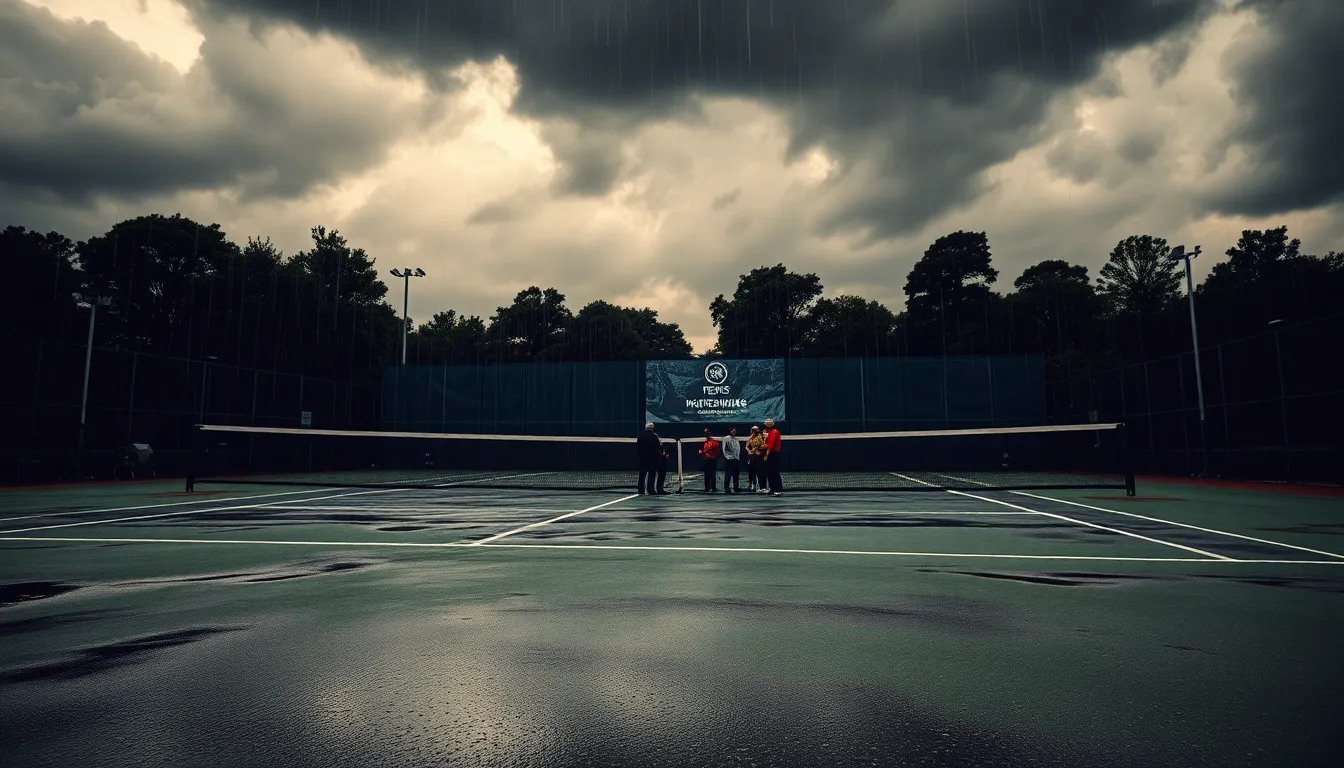
Tennis matches often face suspensions due to various factors. Understanding these causes enhances familiarity with the sport.
Weather Conditions
Rainstorms frequently lead to match suspensions. Wet courts pose risks, making play unsafe. Officials monitor weather forecasts for severe conditions. Lightning also triggers immediate suspensions due to safety protocols. High winds can disrupt gameplay as well. Temperature extremes might affect player performance and match integrity. When weather conditions improve, officials will assess court safety before play resumes.
Player Injuries
Player injuries are another common cause for suspension. Sudden injuries can occur during intense rallies or movements. Medical professionals assess players on-site for potential risks. Once a player is injured, they may require time to recover or receive treatment. Resuming play depends on the severity of the injury and the player’s readiness. Effective communication between players and officials is crucial in these situations. Medical timeouts can provide necessary respite for affected players before decisions are made on resuming the match.
Impact of Suspension on Matches
Suspensions significantly affect the dynamics of tennis matches in various ways.
Disruption of Momentum
Disruptions halt players’ momentum, impacting their rhythm and focus. Players may struggle to regain their form after a suspension, especially if they were performing well immediately before the break. Adjustments to strategy often occur, as mental clarity can change during long pauses. Players who rely on momentum may face challenges, while their opponents might benefit from a fresh mindset. Successful players usually adapt to these interruptions, displaying resilience and mental strength.
Rescheduling Challenges
Rescheduling matches often presents logistical hurdles for organizers and players. Conflicts arise when players need to accommodate new times around their existing schedules. Weather can lead to multiple match delays, congesting the tournament calendar. Players often face difficulties maintaining physical readiness with unpredictable break lengths. Factors like court availability and television scheduling further complicate the situation. Stakeholders must negotiate to ensure matches conclude fairly, maintaining the tournament’s integrity.
Rules Surrounding Suspended Matches
Suspended matches follow specific rules defined by tennis governing bodies. A match can only be suspended under certain conditions, such as inclement weather or player injury. Official announcements occur to inform players and fans about the suspension status.
When rain delays occur, tournament officials assess the court conditions. Wet surfaces lead to unsafe gameplay, so officials might inspect the area thoroughly before deciding to resume. Lighting issues also warrant suspensions, as safety remains a fundamental concern.
Player injuries initiate their own protocol. Medical personnel evaluate injured players, ensuring they receive the necessary care. If a player cannot continue, the match is suspended until recovery or a decision is made.
Resumption of a suspended match hinges on the cause of the delay. The weather must clear up sufficiently for safe play, or the injured player needs adequate recovery time. Fans often stay updated through announcements and boards at the venue.
Organizers face logistical challenges when rescheduling matches. Conflicts can arise with existing match schedules. Court availability and broadcasting commitments further complicate the rescheduling process.
Players must also adapt to the situational changes. Regaining focus and rhythm after a suspension requires mental fortitude. Strategies may shift as players reassess their conditions and opponents.
Understanding these rules enhances comprehension of match dynamics. Fans can appreciate the complexities involved in suspended matches. Knowledge of these aspects fosters richer conversations about the game.
Understanding what “suspended” means in tennis is crucial for fans and players alike. It highlights the sport’s unpredictability and the importance of safety during matches. Whether due to weather conditions or player injuries suspensions can significantly impact gameplay and strategy.
Being knowledgeable about these interruptions not only enhances the viewing experience but also enriches conversations about the sport. As tennis continues to evolve fans who grasp the nuances of match suspensions will find themselves better equipped to appreciate the game in all its complexities.


